
My lens on dogs
Deep in our family archive is a Super-8 film of me at age 2 or 3, sitting on a tricycle and sharing a Mother’s oatmeal cookie with our dog, Pup. I take a bite, then offer the cookie to Pup who takes a little nibble, then I take a bite, and offer it back.
As an 8 or 9-year old, I spent hours sitting in our gravel driveway with a neighbor’s golden retriever, Nabisco.
Thanks to my parents’ noticing, they gave me my first very own dog, Freckles, a beagle-shepherd mix who rode in my bike basket to play in the creek.
Then came Shamrock and Kelly, Irish setters inspired by the Big Red books. Then Cinnamon, Molly, Whitey, and Buddy, Brittany spaniels who enjoyed hunting pheasants.
Then my special soulmate, kd, a yellow lab, who kept my heart strong and feet warm while I wrote my dissertation and who walked me across the stage to pick up that last diploma.
Then Blazer, adopted from my brother, then Rain and Sunny, adopted as “rescues.”
And now River, a sweet lab who has become the happiest of island dogs.

I have been known to say that if I could have given birth to puppies instead of baby humans, I would have had a better-by-the-dozen household.
The AKC kennel club book was an intriguing reference for me at age 9 or 10. Over the decades, breed distinctions became less interesting and essential dog nature more interesting.
Elizabeth Marshall Thomas, an anthropologist of indigenous peoples, brought her observational stance to The Social Lives of Dogs, describing how they live when they are members of human families but permitted to live freely. Neither feral nor leashed.
It is this “free” dog that caught my eye while traveling in Peru.
Some free dogs of Peru
Although the city of Lima is populated with dogs, most are the familiar leashed kind that snuffle along sidewalks and look for a patch of grass in a park, the kind that owners steer clear of other leashed dogs in case there is a dust-up. Occasionally there is a free pet.
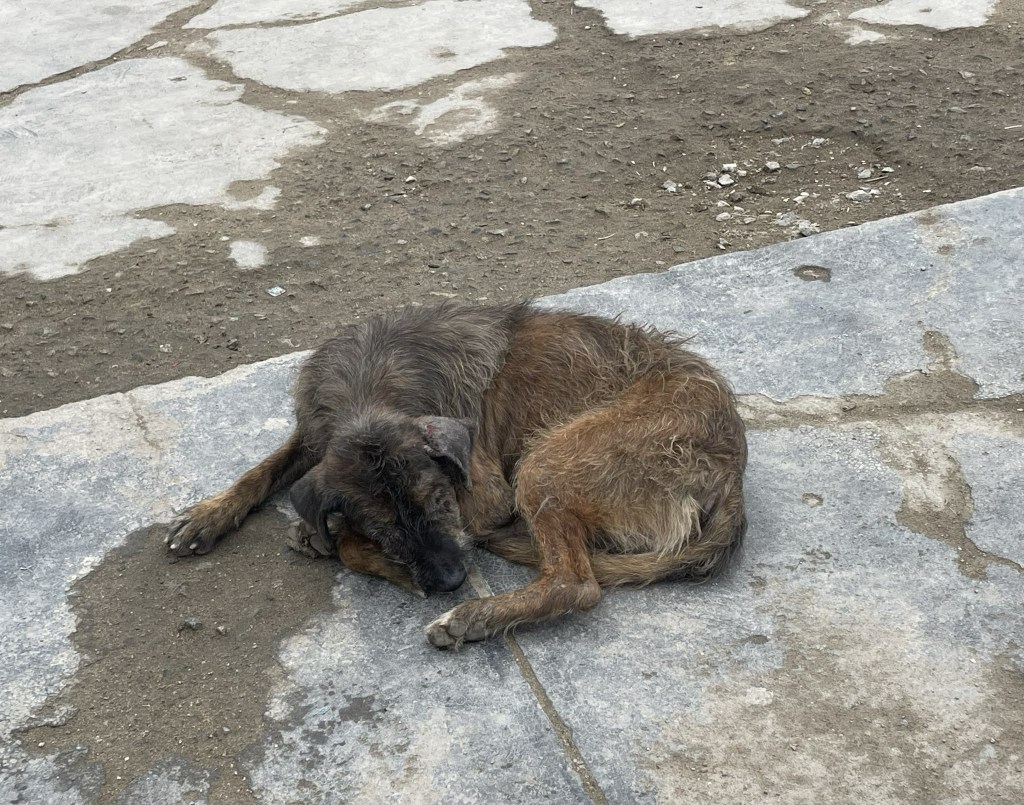

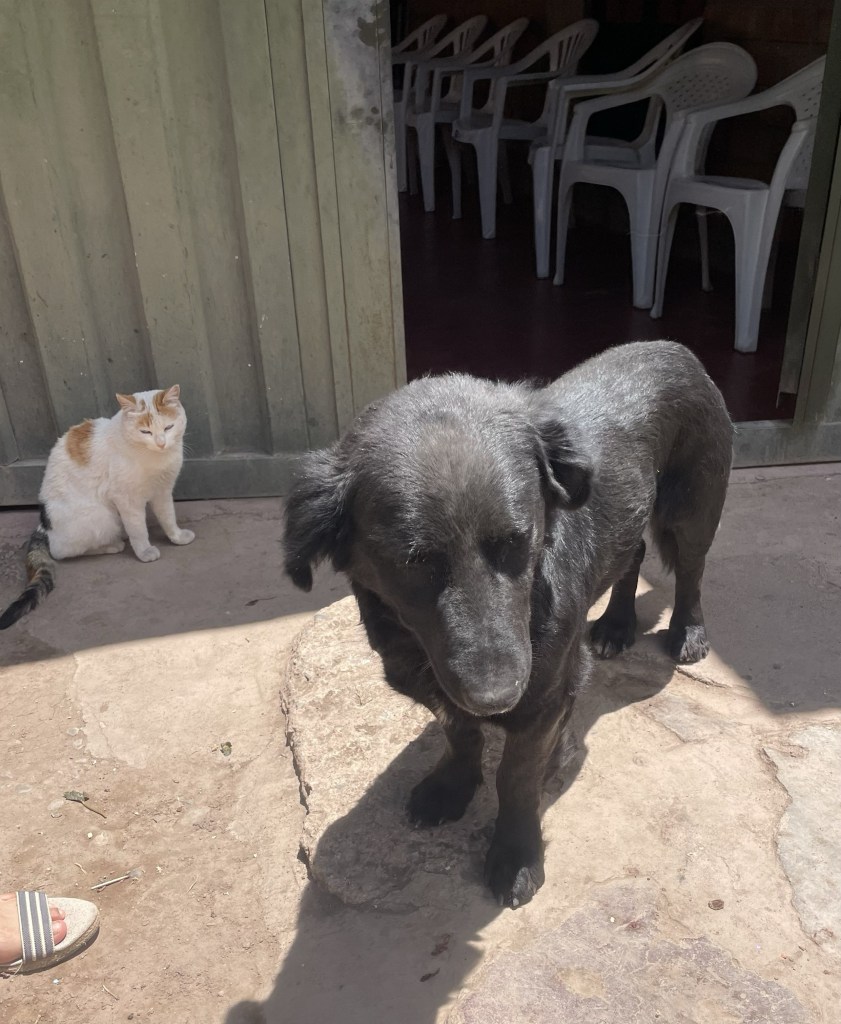
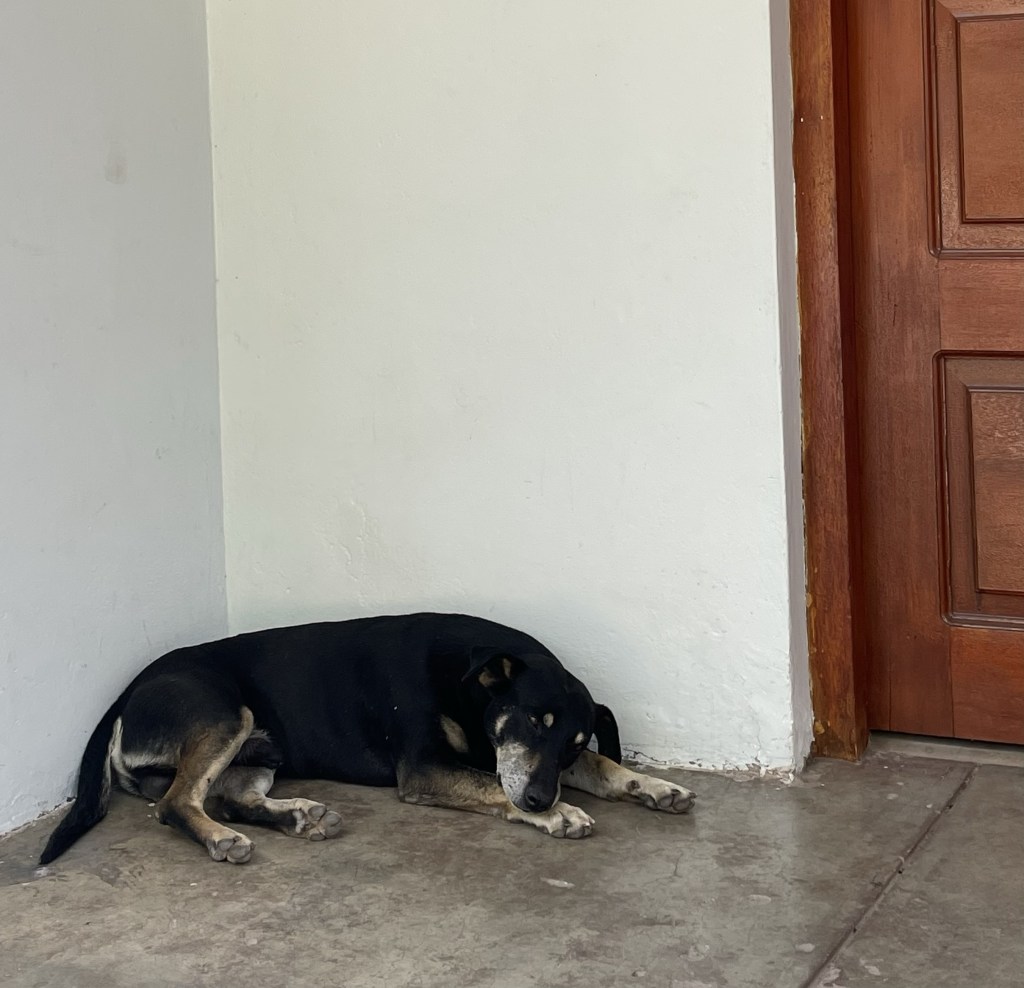
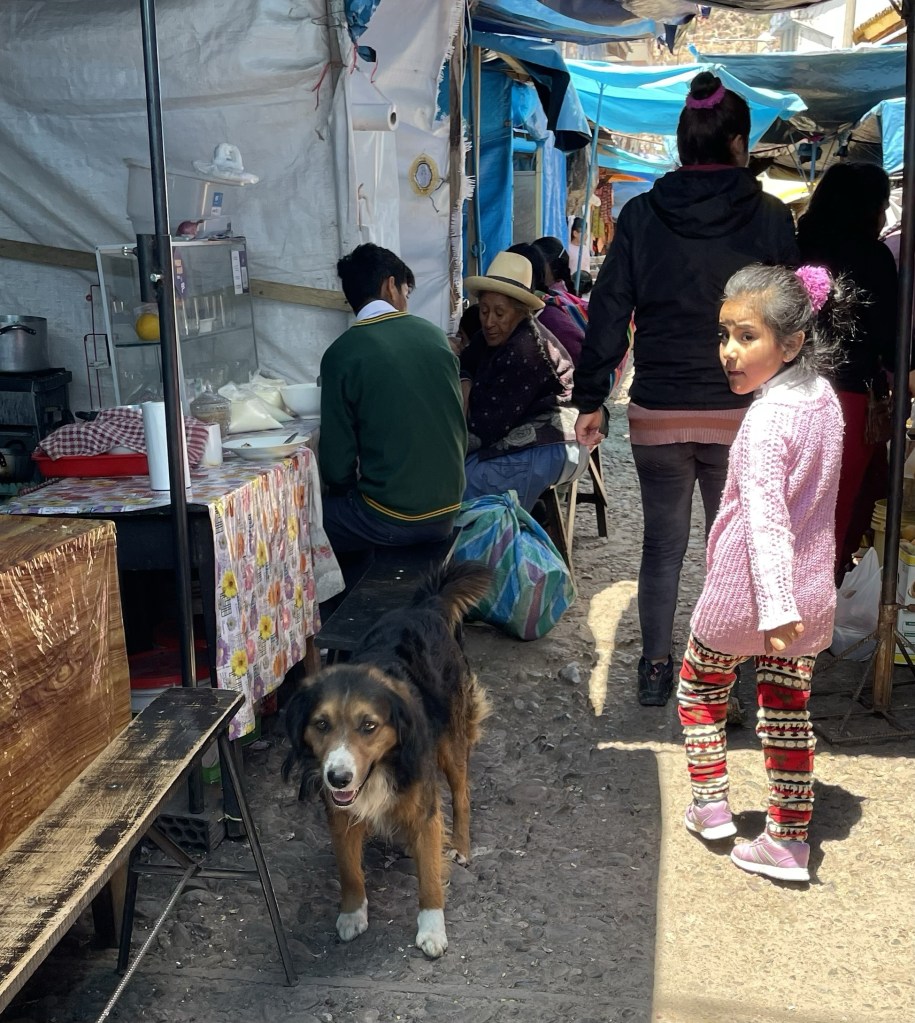
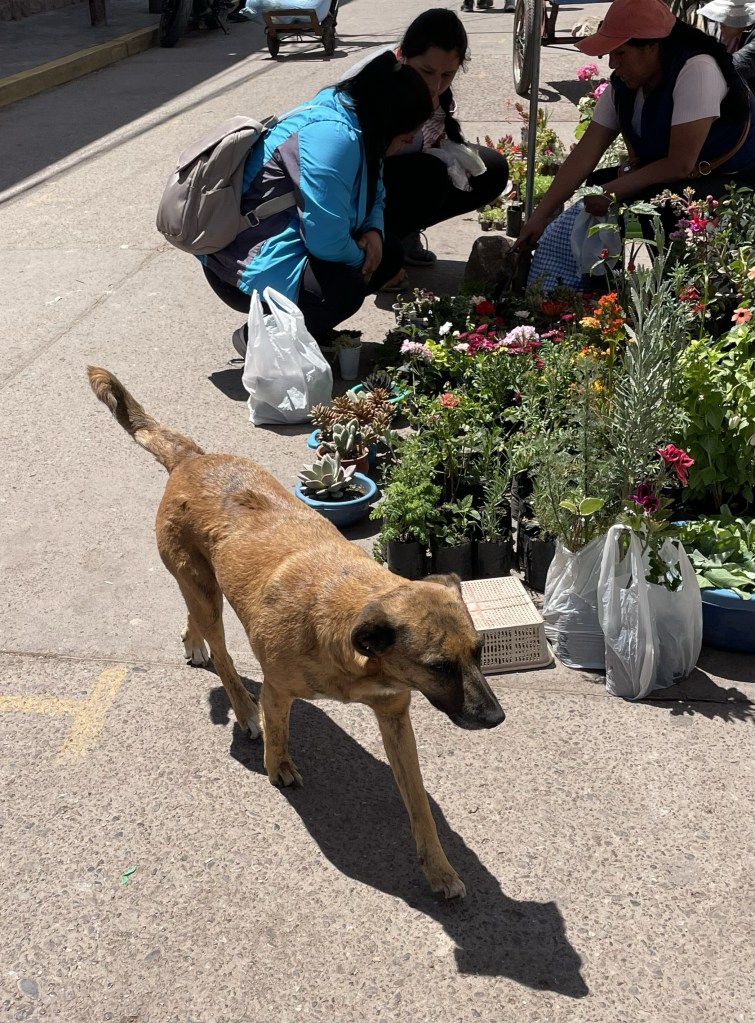
But in the rural villages, free (owned and cared for) dogs abound.
Dogs of the Sacred Valley

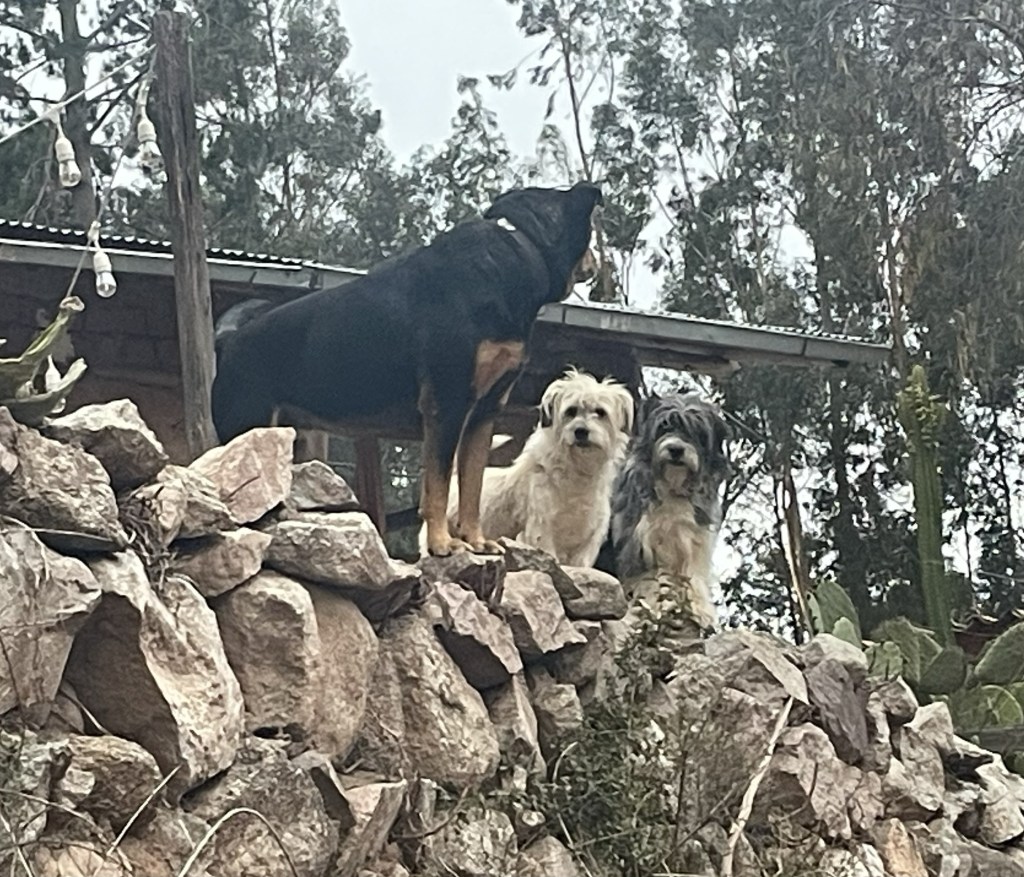


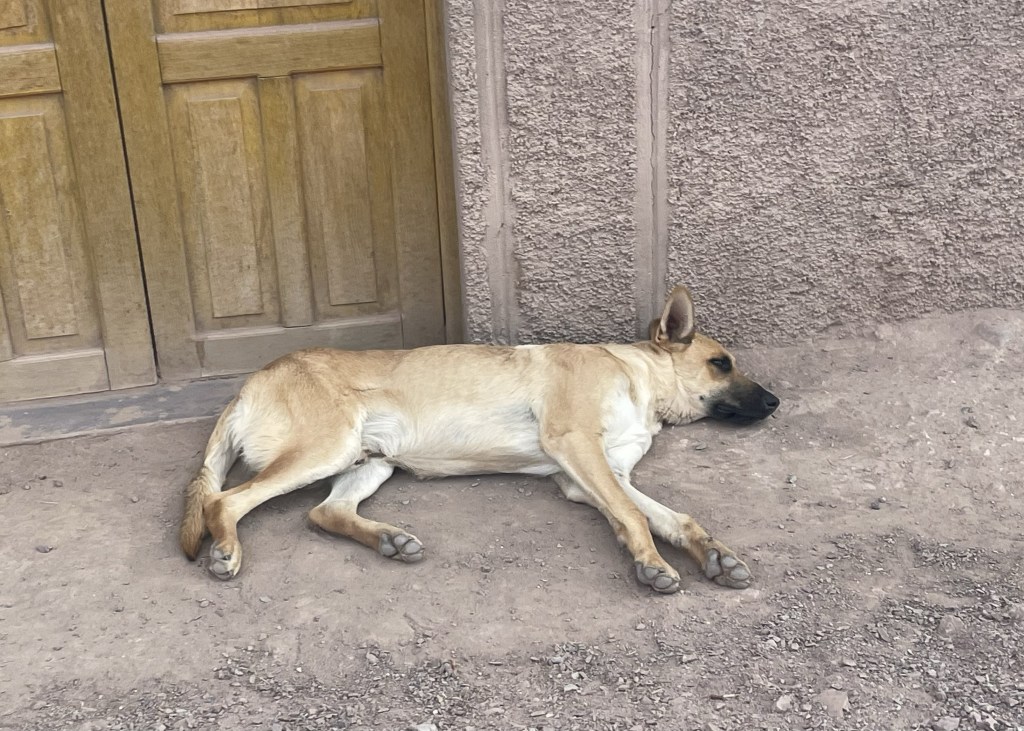
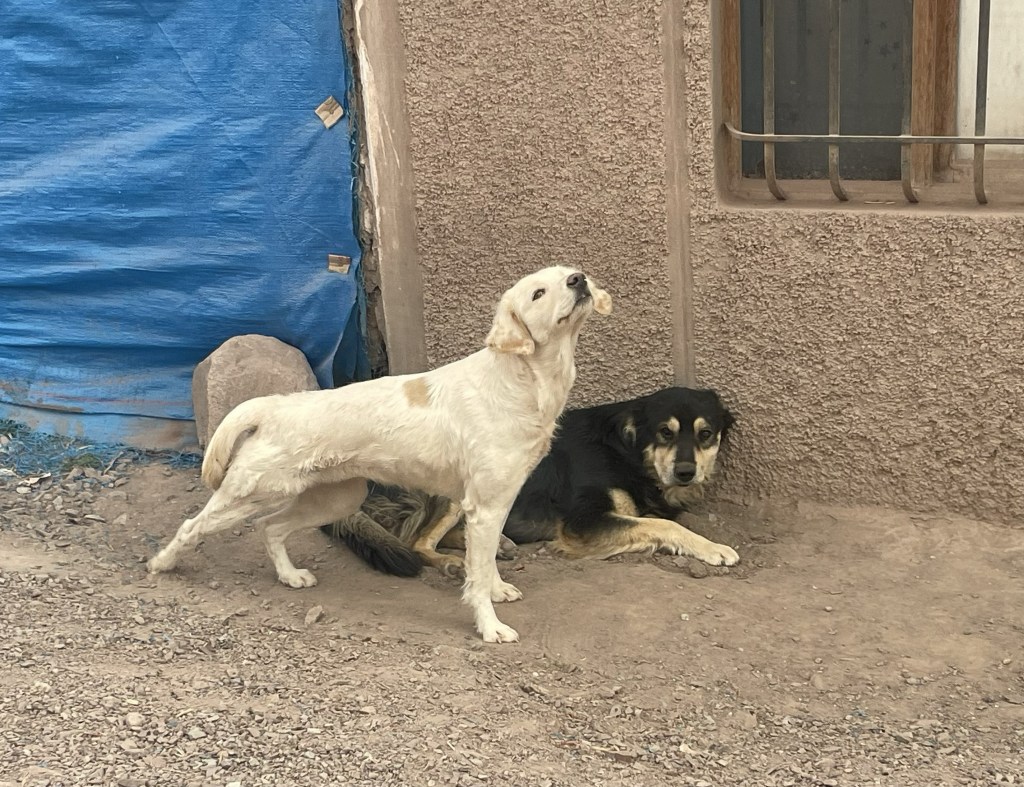

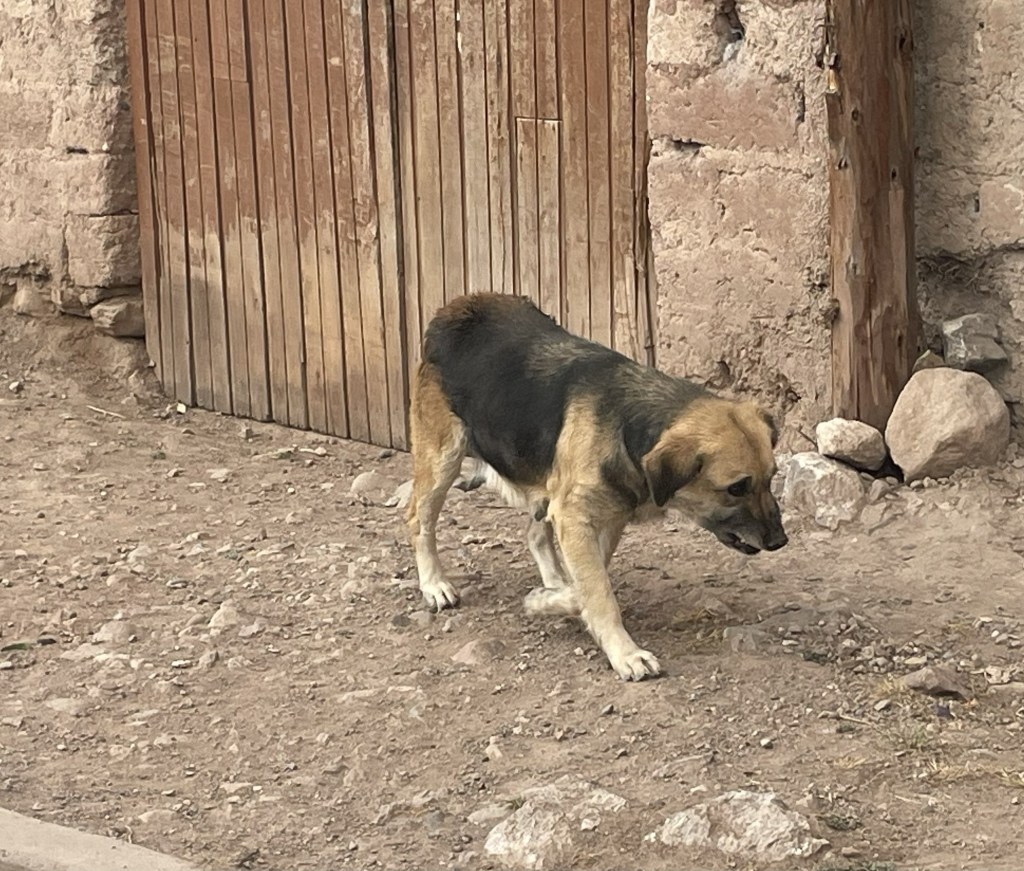
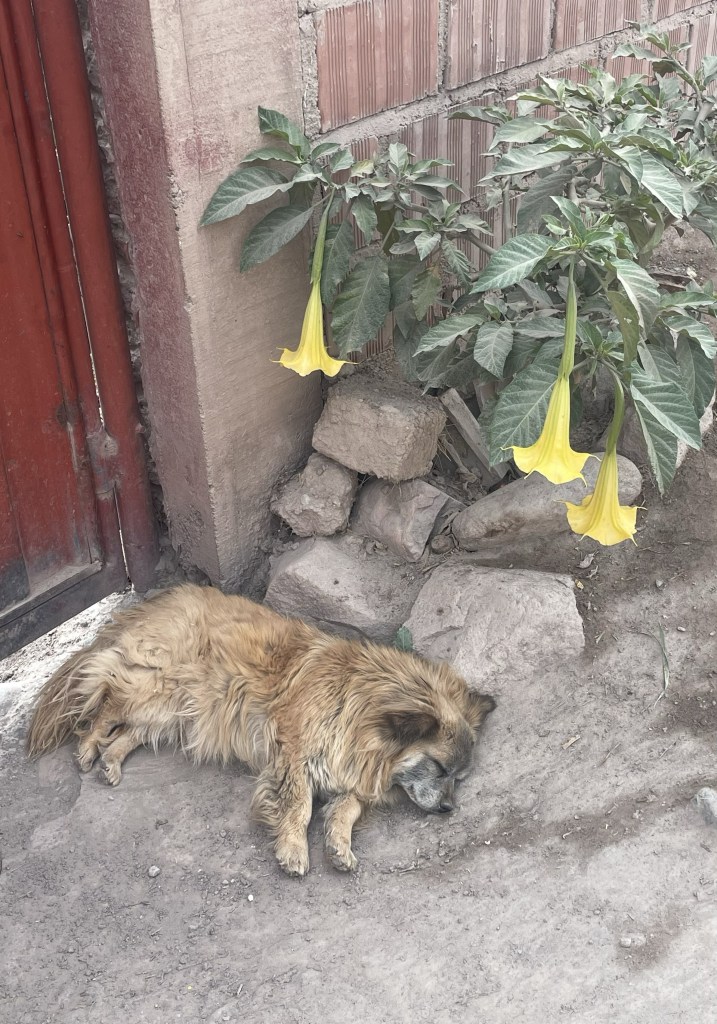

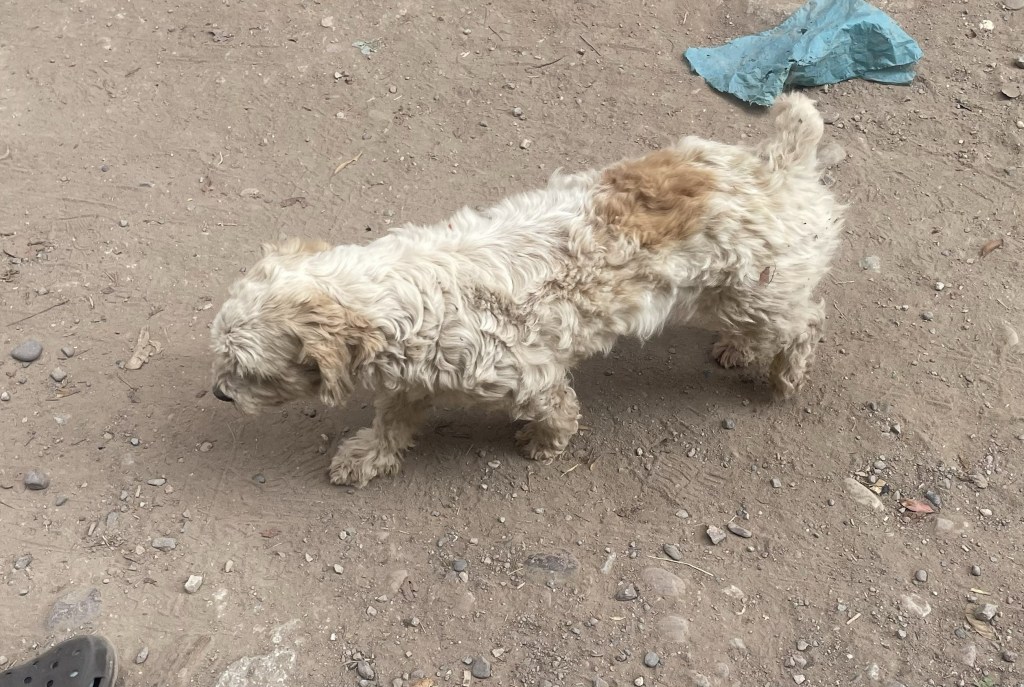

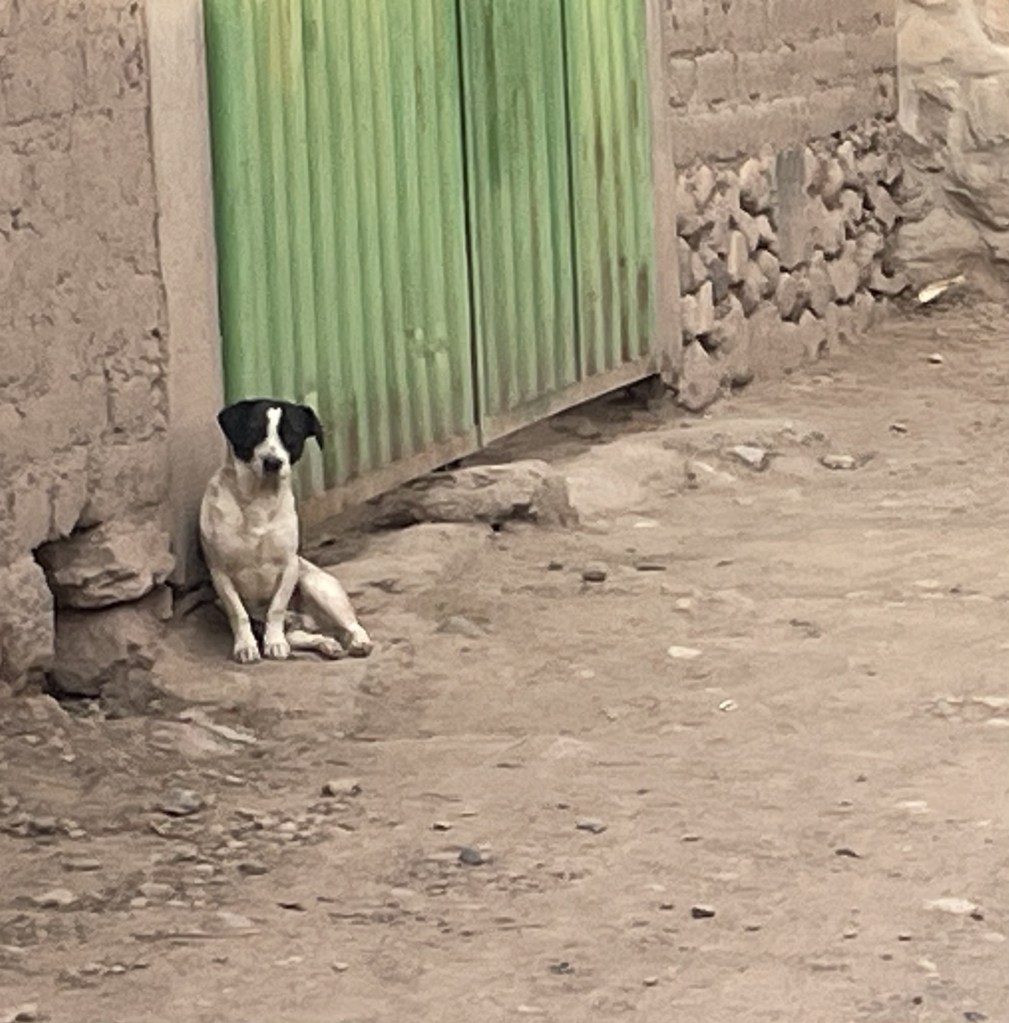


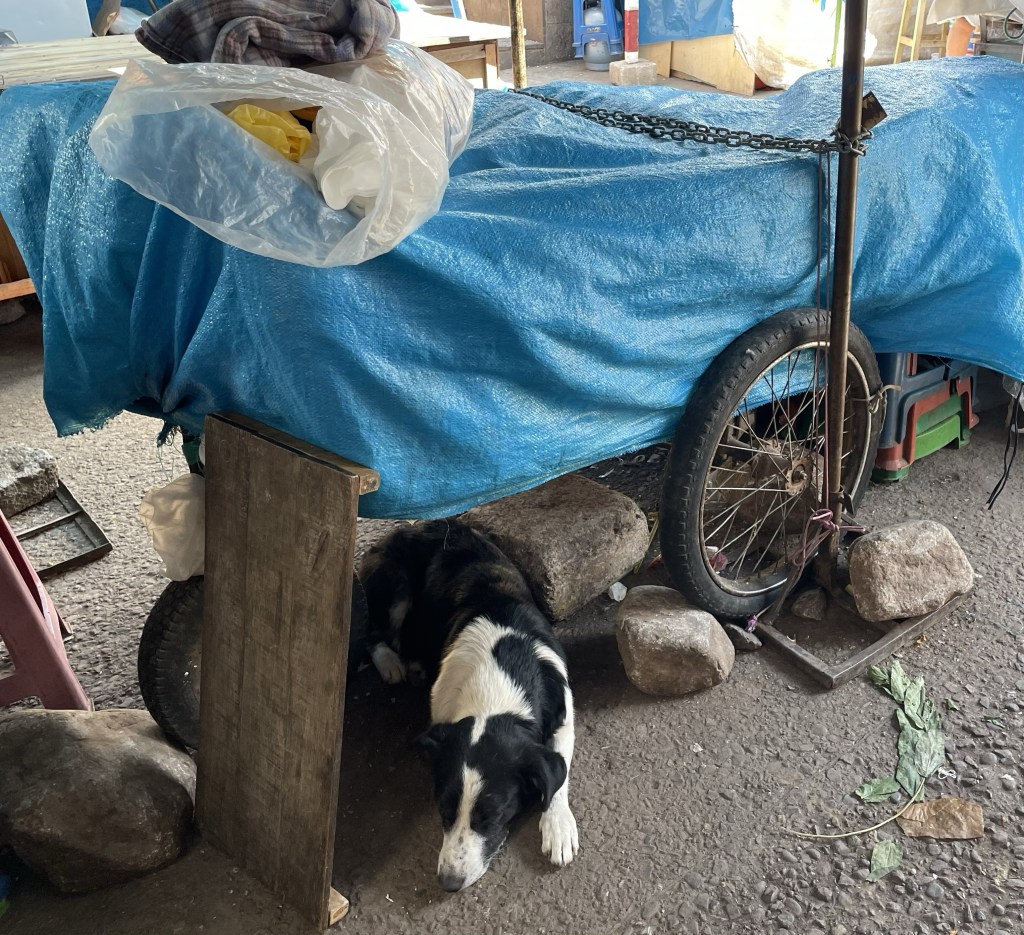
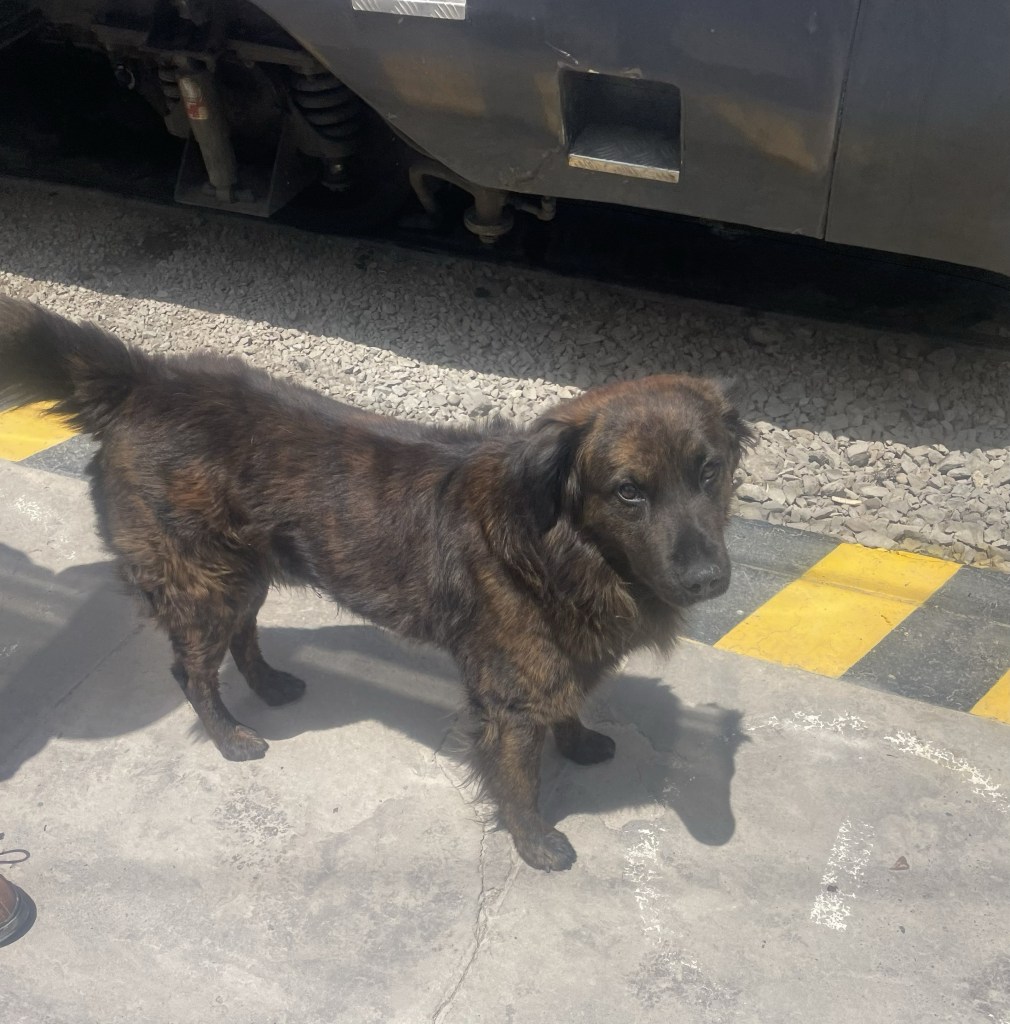
Dogs of Ollantataytambo Station

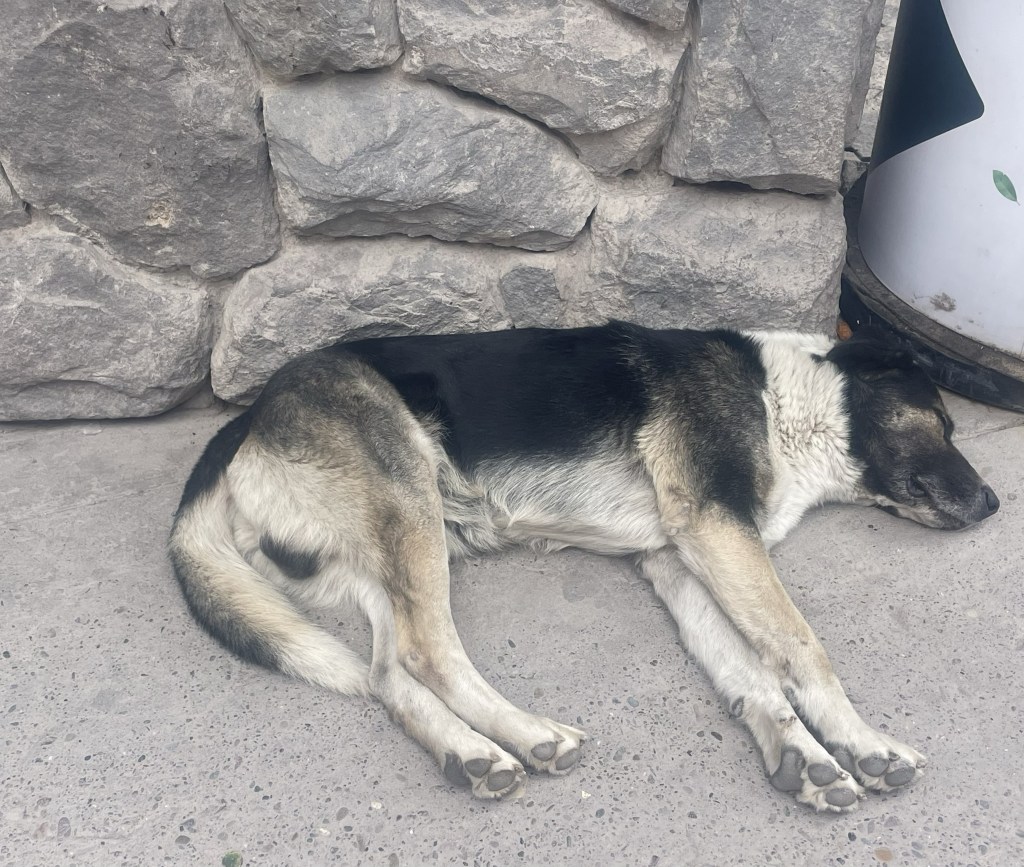


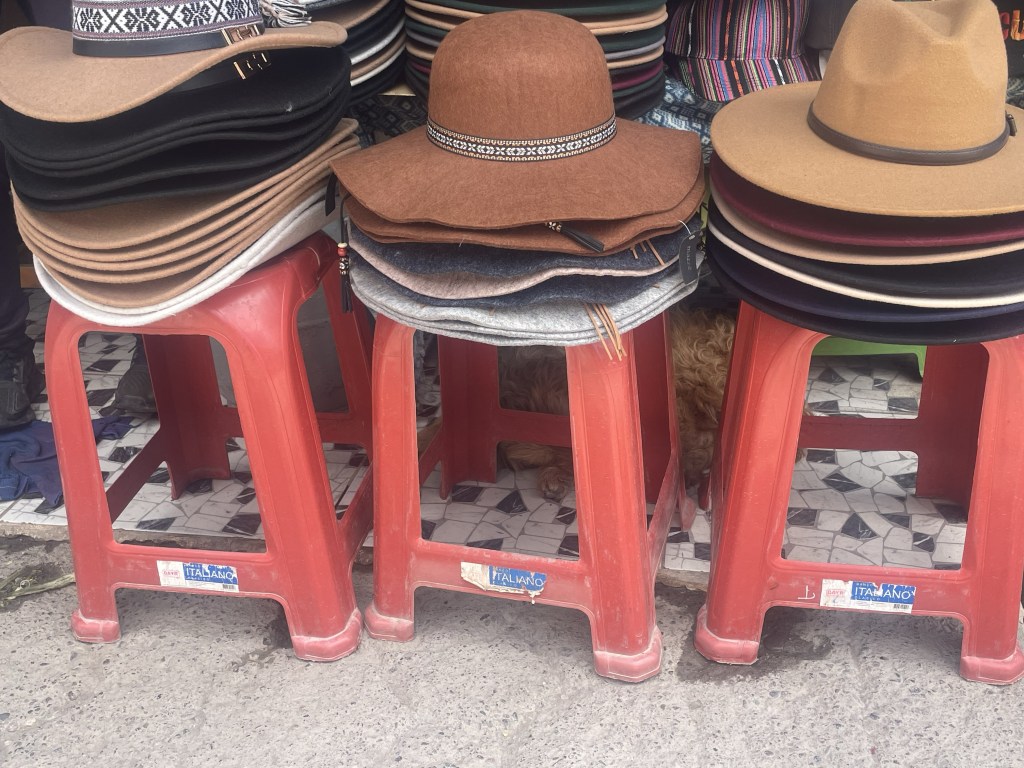
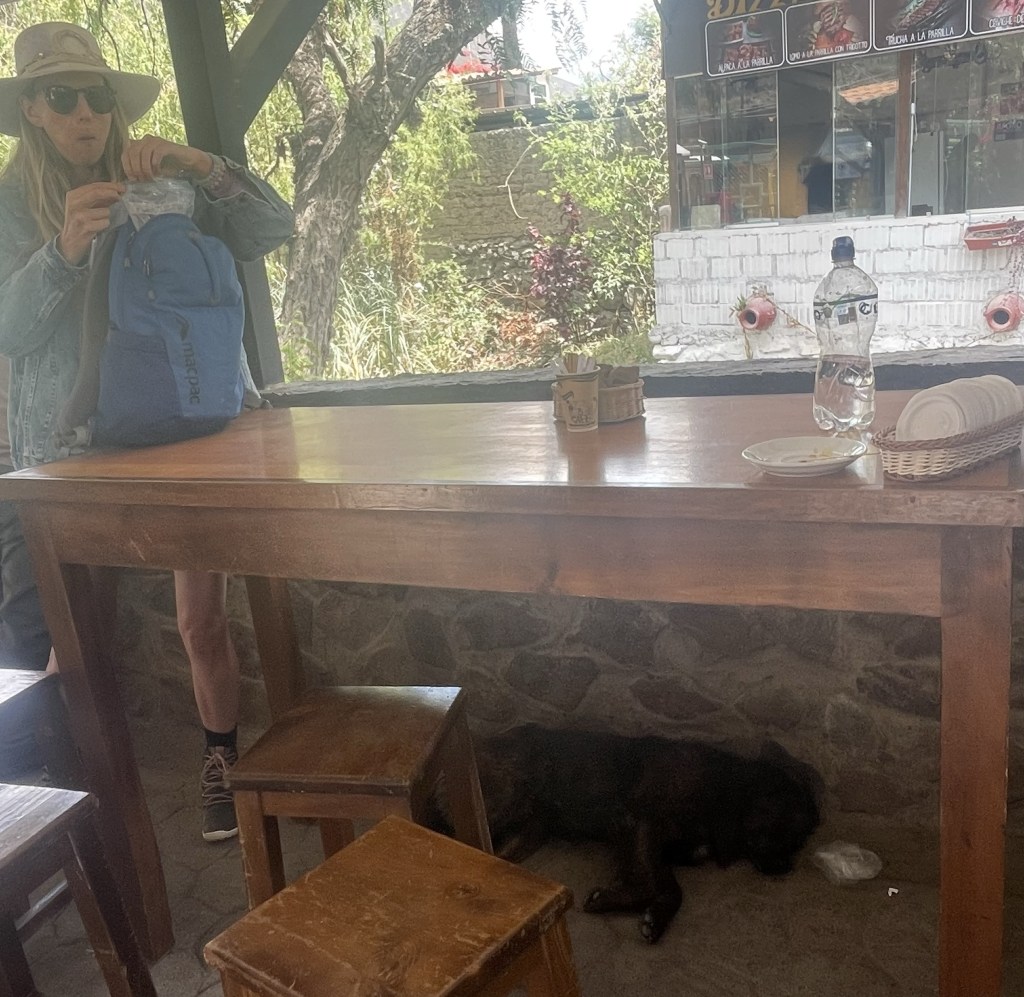
Indiana, the Amazon
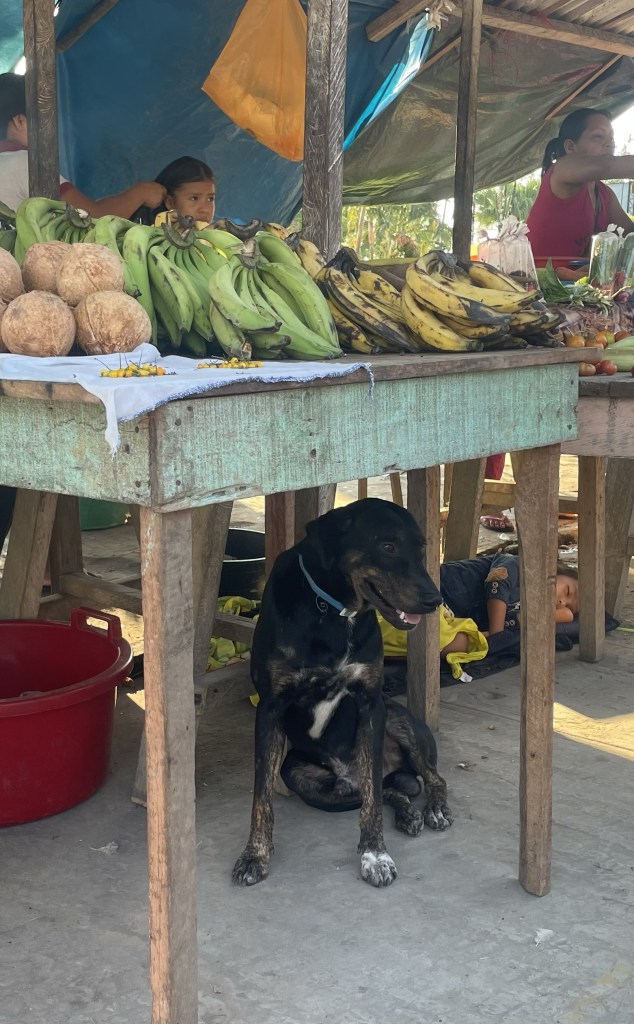
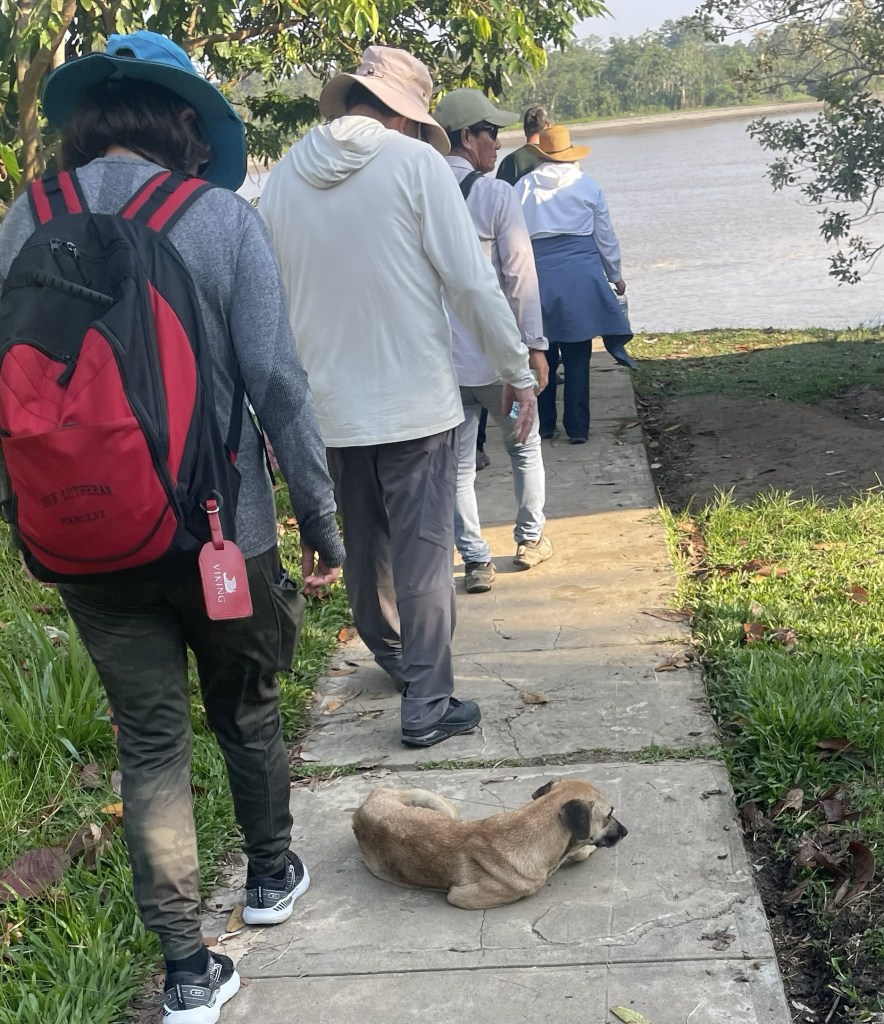

We witnessed no canine arguments. No fear of or threats to people. No begging for food.
We experienced ready acceptance of a scratch behind the ears. We heard an occasional bark to alert a home owner that a posse of tourists was walking by.
But mostly, we saw…napping.
 All play and no work
Leave a reply to Janice Telonicher Stokes Cancel reply