
“Code Blue.” The words were said in a voice that was calm, but clearly audible.
Before then, the small clinic had been humming with upbeat music and more than 20 professionals and volunteers carrying out their jobs–gathering data on each patient, checking pre-op vitals, entering paperwork into computers, administering anesthesia, shaving bellies, prepping post-op packets for families, and, in my case, cleaning and sterilizing used instruments and cycling them back into use.
A centrally positioned operations tech facilitated the flow of volunteers carrying blanket-wrapped patients into, through, and eventually out of the clinic. Outside, an extra doc roamed the intake and recovery areas, attending to patients who seemed anxious in spite of the sedative or were a little slow to wake up.
No patient, pre- or post-op, was ever left unattended. One volunteer spent the morning holding anxious pre-op youngsters on her lap.

Tucked into a bay, two docs stood at narrow, stainless steel tables concentrating on their surgeries. The efficiency of the system surrounding them afforded little break from one patient to the next.
It was around noon on the Sunday of an intensive weekend-long spay/neuter event. Big dogs, little dogs, family cats, feral cats, males, females—come one, come all. Spay-neuter events support island families in neutering their pets; they also advance the shelter’s Trap, Neuter, Release (TNR) approach to down-sizing colonies of feral cats.
At the words “code blue,” all conversation stopped.
The music was turned off, and volunteers stepped out of the way. While one doc continued an operation in progress, the other rolled up the “crash cart” sitting nearby. The roaming doc came inside to help, and senior techs stepped into roles honed from regular drills.
From my instrument station, I could see a tech giving CPR to a dark gray cat, her thumb on one side of the chest, her fingers on the other, squeezing the small ribcage in a gentle rhythm. Two docs and another tech huddled around the cat, drawing syringes, vials, tubing from the cart. All was quiet except for the low but intense conversation over the kitty.
Volunteers and techs quickly resumed tending to other patients in the queue. After several minutes, volunteers began turning back to their data-entry, laundry folding, or meds-prep jobs. I picked up a new batch of used instruments and began scrubbing. The music stayed off, chat stayed at a minimum, the mood subdued.

Questions weighed on me. Would these expert, loving docs succeed in reviving this cat? Was this a feral cat, or was this a kitty belonging to a family?
It’s not that I wouldn’t care about a feral cat, but I was really hoping it was. I didn’t want to imagine keiki, or lonely kupuna, having to be told their kitty couldn’t be saved.
I have no idea how long vets typically administer life-saving efforts to revive an animal. On this day, the tech gave CPR without pause for about half an hour as two docs worked to revive the cat. Finally, they all stopped. The cat could not be revived.
The volunteers doing the paperwork let me know this cat was not TNR. It was a pet.
Spaying consumes substantially more time, instruments, and meds than neutering, and on this day, the patient population comprised about 80% females. So for the next 6 hours, everyone continued their work, until 88 dogs and cats had come and gone. That number was on top of the 60+ from the day before.
This was my third time volunteering at an intensive, multi-day spay/neuter event. The other times I had gone home dog-tired (admittedly a horrible pun 😊), but riding high on the energy of working with people who give, and give, and give of their time, their education and expertise, and their loving hearts to make happier lives for hundreds of dogs, cats, and the ohanas and communities they are part of.
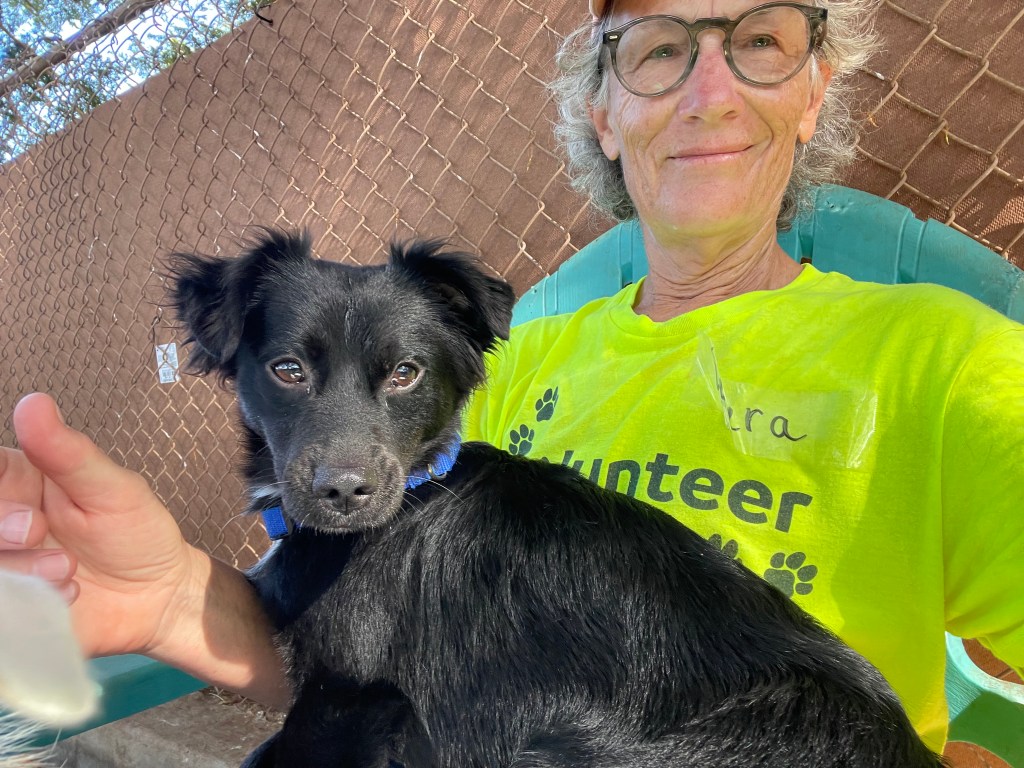
I felt the same way about this event — but for the first time, I also felt sadness because a pet brought to the clinic could not be saved. A family was hurting.
Twice as a child, I cried when our vets could not save my dog Shamrock, and then later, Kelly. Twice as an adult I cried when vets had to tell me they could not save my dog Buddy, then later, KD. Just about everyone I know has stories about this particular sadness.
In a funny way, my feelings reminded me how new I am as a volunteer, with only about 125 hours under my belt. More experienced volunteers tell of dogs they cared for, and came to love, that ultimately had to be euthanized because they were not adoptable or their injuries were too severe. The more I commit to the joys of volunteering, the more I sign up for the sorrows.
‘Tis better to have loved…
 All play and no work
Leave a comment